Water Heater Popping
or Rumbling?
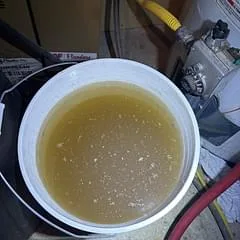
You turn on the shower on a cold morning and hear it from the basement: a popping, crackling or low rumble coming from the water heater. It sounds alarming, but on a gas or electric tank water heater it usually has a simple cause. In most homes we visit in Kaysville, Farmington and across Davis County, that noise is sediment.
Here's what the sound means, why it tends to show up as the weather turns cold, and when a flush will take care of it versus when it's time to call a plumber.
What causes the popping sound
Utah's water is hard. It carries dissolved minerals, mostly calcium and magnesium, and when that water is heated, some of those minerals come out of solution and settle to the bottom of the tank. Over months and years they build into a gritty layer of sediment, and on a gas unit that layer sits right on top of the burner.
Water gets trapped in and under that layer. When the burner fires (or the lower element heats on an electric unit), the trapped water heats quickly, turns to steam and pushes up through the sediment in little bursts. That's the popping, crackling or rumbling you hear. It's a lot like a pot of water with a layer of grit in the bottom just before it boils.
Our guide to hard water in Davis County covers how those same minerals show up on faucets, showerheads and fixtures around the house.
Why you notice it more in winter
The water coming into your home from the street is much colder in winter, so the heater has to run longer to bring each tankful up to temperature. Showers run longer, and holiday guests mean more laundry, dishes and back-to-back showers. More run time means more heating cycles, and more chances to hear the sediment. It also means the heater is working hardest exactly when that insulating layer of sediment is making it least efficient.
Is a noisy water heater dangerous?
The noise by itself usually isn't an emergency. But sediment isn't harmless either. Left alone for years, it can:
- Waste energy. The burner has to heat through the sediment before it heats the water, so the unit runs longer for the same amount of hot water.
- Overheat the bottom of the tank. That extra heat and stress on the steel can shorten the tank's life.
- Reduce your hot water. Sediment takes up space that used to hold water, so hot water can run out faster than it used to.
- Clog the drain valve. A heavily sedimented tank can plug the valve at the bottom, which makes a later flush harder.
Some symptoms do call for attention right away. Water pooling around the base, a drip from the bottom of the tank, rusty hot water, a rotten-egg smell, or water coming from the relief valve on the side of the tank are not sediment noises. A leak from the bottom of the tank itself usually means it has rusted through. If you see that, turn off the cold-water supply to the tank, shut off its gas or power, and call us at (385) 324-7301. Our phones are answered 24/7.
Can I flush my water heater myself?
Many homeowners can, but it isn't always as simple as attaching a hose. The tank holds scalding water, the gas or power has to be shut off correctly, and on an older tank the plastic drain valve can be clogged with sediment, or start leaking once it's been opened after years of sitting closed. If your heater has never been flushed, or it's been a long time, that's when a professional flush makes the most sense.
When we flush a tank, we drain the sediment out and also give the heater a quick health check, looking at the connections, the relief valve and the venting so you know where it stands going into winter. If something needs repair, you get a written quote first and nothing happens until you approve it.
Our $29 water heater flush covers standard tank water heaters. Tankless units need descaling instead of a flush, and you can read about that on our water heater repair page.
How often should a tank be flushed?
With Wasatch Front water, once a year is a good rule of thumb. If your home doesn't have a water softener, or your household uses a lot of hot water, sediment builds faster.
The easiest way not to forget is the Aireo Home Care Plan. For $20 a month it includes a yearly plumbing visit with a standard tank water heater flush, plus a furnace tune-up, an AC tune-up and an electrical inspection. Our office schedules the visits for you.
When it's time to replace instead
Tank water heaters typically last around 8 to 12 years. If yours is in that range, is leaking from the tank itself, or the noise keeps coming back quickly after a flush, a flush may only buy you a little time. We'll tell you honestly whether a repair or flush makes sense or whether it's time to look at a new tank or tankless water heater. If replacement is the right call, financing is available.
Water Heater Noise Questions
Is it normal for a water heater to make noise?
Will flushing stop the popping?
Does a water softener prevent sediment?
My water heater is leaking. What should I do?

Book a Water
Heater Flush.
Book Instantly
Licensed, insured plumbers.
ebbc07a788ad40f5b1c9eb12a17c29c8 Aireo-Home-Services